- Get link
- X
- Other Apps
There is a particular feeling that older Indian homes have. You notice it the moment you walk in. Something in the air, warm, slightly familiar, like agarbatti and sunlight on wood. The brass catches the light from somewhere. The colours feel grounded. There is a softness to everything that modern homes, for all their clean lines and careful styling, often cannot seem to replicate.
I think about this a lot when I look around my own home. I like clean spaces. I genuinely prefer uncluttered surfaces and rooms that do not feel heavy. But I also grew up around homes that felt deeply lived in, where every corner had a little story in it. The desi aesthetic home is not about choosing between those two things. It is about understanding that warmth and restraint can actually coexist very well. Here is how I have been slowly building that balance, and what I have learned works in a modern Indian home without tipping into clutter.
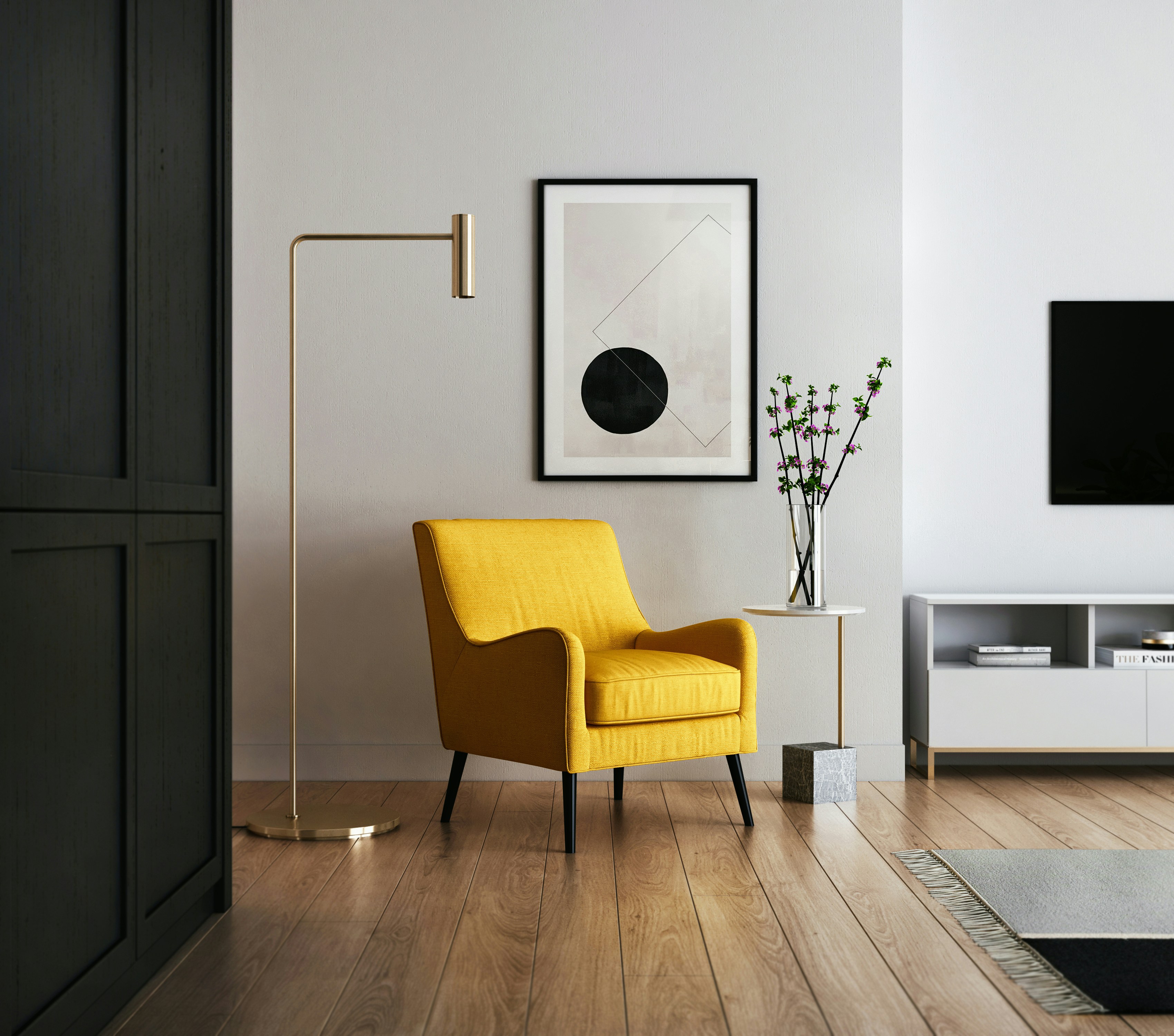
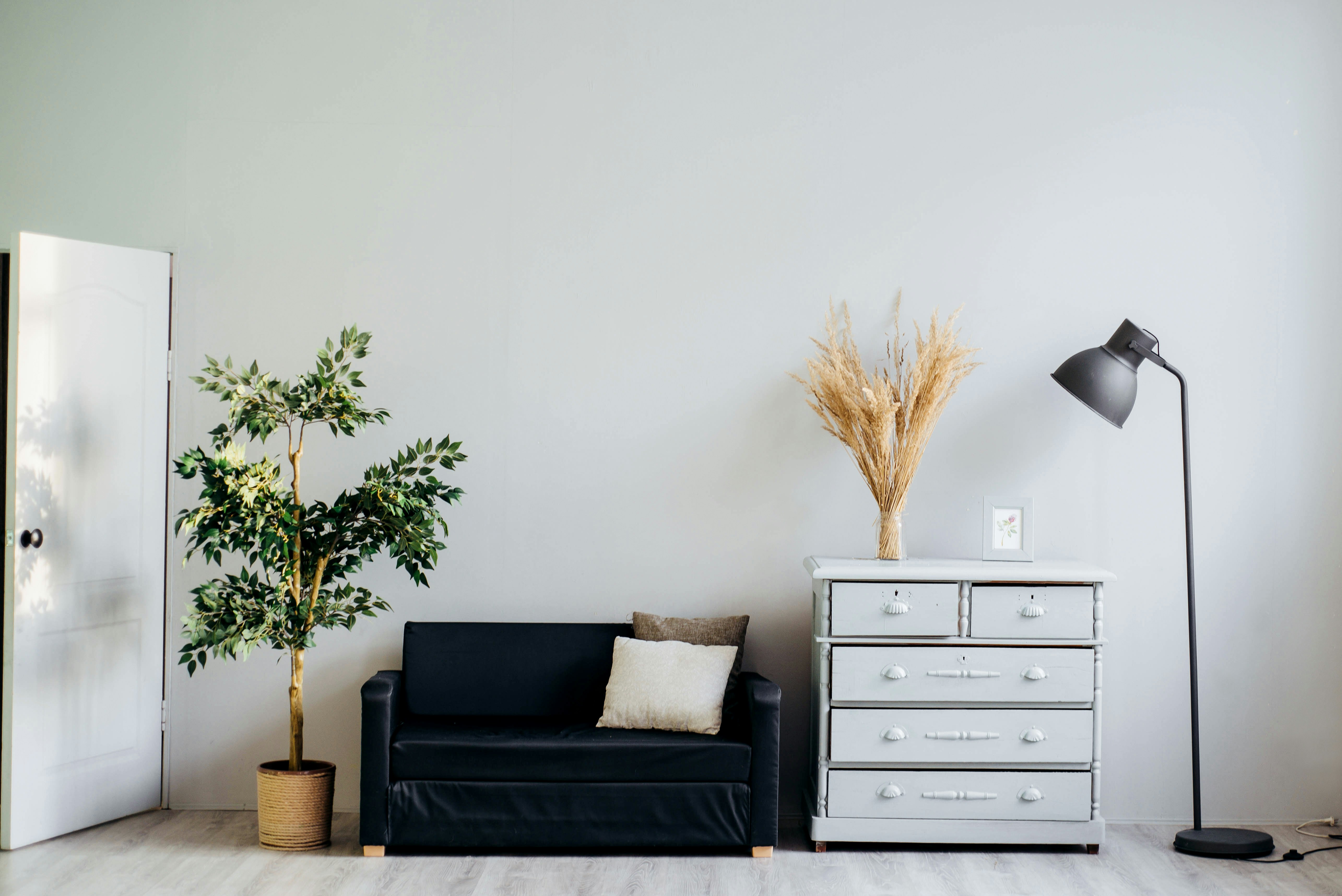
Here's how to infuse your modern home with that timeless Indian soul without the clutter.
Start With Warm Tones: Colour Does the Emotional Work
Modern homes tend toward cool greys, stark whites, and the kind of palette that photographs beautifully but can feel a little cold to actually live in. The desi home aesthetic lives in warmer territory. Terracotta, mustard, soft ochre, cream, and muted rust. Colours that feel sun-touched rather than studio-lit.
You do not need to repaint your entire home to shift the feeling. One accent wall in a muted ochre can change the emotional temperature of a room entirely. Alternatively, introduce warmth through textiles: a rust-coloured throw draped over the sofa, a jute rug underfoot, a set of handwoven curtains in cream or earthy green.
The restraint matters as much as the colour itself. Two main tones and one accent shade is a rule worth following. It keeps the space feeling inviting without becoming overwhelming.

👉 Shop terracotta cushion covers
👉 Shop jute area rugs on Amazon
💡 Tip: Stick to a restrained palette of two main colours, and one accent shade. It keeps your space inviting but uncluttered.
Brass and Wood: The Two Materials That Define the Desi Aesthetic
If I had to name the two materials most responsible for the warmth in a desi home, it would be brass and wood without hesitation. They are not trendy in the way that blush pink or sage green is trendy. They are timeless in the way that good decisions tend to be.
A brass diya on the console table. A wooden tray on the coffee table. A small urli with floating petals near the entrance. These are not expensive purchases, and they are not fussy to maintain. What they do is bring character into a room that might otherwise feel like it was assembled from a catalogue.
The key with brass, especially, is to pair it with modern elements rather than cluster it with other traditional pieces. A brass fruit bowl on a minimal kitchen counter. A brass candle holder beside a matte black lamp. The contrast is what makes it work. When everything is the same aesthetic, nothing stands out.
Quick tip: Two or three statement brass or wooden pieces will do more for a room than ten small scattered ones. Let each piece have space to be noticed.

💡 Tip: Choose a few statement brass or wooden pieces instead of scattering too many small items. They'll draw the eye without overwhelming the room.
Textures That Tell Stories
A desi-inspired home communicates through touch as much as through sight. The materials you choose matter beyond how they look in photographs. Cotton, jute, linen, and handwoven textiles. These are breathable, natural, and they age beautifully, which is not something you can say about most synthetic fabrics.
Replacing your existing cushion covers with block-printed ones is one of the most impactful small changes you can make. A cotton dhurrie underfoot instead of a synthetic rug. A handwoven throw over the back of a modern chair. Each of these adds what I would call visual warmth: the room starts to feel layered and considered rather than showroom-finished.
There is also something to be said for how these textiles feel to actually live with. Cotton breathes in warm weather. Jute is forgiving and textured underfoot. They suit Indian climates in a way that velvet and microfibre simply do not.

💡 Tip: Keep textures natural and tactile, think soft over shiny, earthy over plastic. A single block-printed quilt can bring more warmth than ten décor pieces ever could.
Lighting: Glow, Not Glare
Lighting is the detail that separates a comfortable room from a merely decorated one. Harsh white ceiling lights flatten everything. They make even beautiful spaces feel clinical. Warm ambient lighting does the opposite: it creates pools of calm, makes colours richer, and signals to everyone in the room that it is time to slow down.
In practical terms, this means: replace bright overhead lights with lamps wherever possible. A brass floor lamp beside the sofa. A small table lamp on the bedside. Fairy lights around a mirror or along a shelf. And when none of those is available, a lit diya on any surface will quietly transform the feeling of a room in a way that is genuinely difficult to explain but immediately felt.
Warm lighting is perhaps the single most underused tool in Indian home decorating. Most homes have it sorted for Diwali and then go back to fluorescent tubes for the rest of the year. That is the pattern worth breaking.

👉 Shop warm-toned fairy lights
💡 Tip: Replace bright ceiling lights with lamps that diffuse light softly through fabric or frosted glass. It instantly transforms the mood and comfort.
Uncluttered but Not Empty: The Hardest Balance to Strike
This is the part most people struggle with when building a desi aesthetic home. Because the instinct, especially when you love the look, is to add more. Another brass piece. Another textile. Another plant.
Restraint is actually the hardest decorating skill to develop. Desi warmth is not about filling surfaces. It is about choosing the right things to place on them and then leaving everything else off.
One brass diya on the console. A soft rug underfoot. One handwoven throw on the bed. A single plant that is actually healthy rather than three that are struggling. Each piece needs room to be seen.
The question I ask before adding anything to a surface in my home is simple: does this add warmth or just add weight? It sounds obvious. It genuinely changes what you end up keeping.

👉 Shop minimalist home organisers
💡 Tip: When in doubt, step back and ask Does this add warmth or just add weight? The answer will tell you what stays.
The Desi Aesthetic Home: What It Really Means
Modern Indian home decor is not about reconciling two opposing styles. It is about understanding that they were never actually opposites. The sleek sofa and the woven rug. The brass diya beside the matte black lamp. Clean lines with a warm feeling underneath them.
The desi home aesthetic lives in this quiet balance between now and before. It is in the faint glow of brass under a warm lamp. The softness of cotton curtains in a South Indian breeze. The way a wooden tray makes your morning chai feel unhurried.
The most comfortable homes are not the most styled ones. They are the ones where someone has made deliberate decisions about what belongs and what does not. Where every corner has been thought about, not just filled.
That is the desi aesthetic, not a look but a feeling. And it is entirely possible to build it in the most modern of homes.
Comments
Post a Comment